The Spiritual Discipline of Curiosity

Across Christian history, some have viewed curiosity as a distraction from faithful discipleship. Yet the witness of scripture offers a different vision. Curiosity is not a detour from the spiritual life; it is a pathway deeper into it. It opens us to revelations that reshape our assumptions, widen our imaginations, and invite us into a future more hopeful than the one we can presently see. This invitation is for all of us. No one is exempt from the Spirit’s work of stretching, surprising, and transforming.
Acts 10 offers a vivid example. Peter received a vision that unsettled everything he thought he understood. God’s instruction was simple: “Get up . . . go with them . . . for I have sent them” (v. 20). Peter followed without guarantees about where the journey would lead. His willingness to step toward the unknown became the doorway to a revelation that changed him, his theology, his understanding of who belongs, and the future of the church. Curiosity became the catalyst for a more expansive community.
Curiosity, then, is a spiritual discipline. Like prayer, fasting, worship, and service, curiosity requires humility and courage. It asks us to hold our convictions with openness, trusting that God may be at work beyond our line of sight. It is not passive. It is an act of faith—a posture that says, “I am open to being changed.”
When Peter entered Cornelius’s home, he stepped into a culture not his own and discovered that God was already present. Cornelius had been praying, listening, and seeking. The Spirit had been moving long before Peter arrived. Only by listening to Cornelius’s story does Peter proclaim, “I truly understand that God shows no partiality.” Revelation appeared through crossing a threshold into another’s world and honoring their encounter with God.
Curiosity continues to shape us and the church in this way. It helps us recognize the image of God in languages we do not speak, in worship styles unfamiliar to us, and in communities whose histories and hopes differ from our own. It opens us to new expressions of church that may stretch, challenge, and ultimately transform us. Through such stretching, we discover new dimensions of God’s grace and a future we could not have imagined on our own.
Discipleship formed by curiosity becomes courageous, compassionate, and wise. It keeps us attentive to the Spirit’s surprises and reminds us that God’s reign is always larger than our comfort zones.
Inspired by Peter, may you be open, humble, and curious. May you be ready for fresh revelations—revelations that change you and shape a future filled with hope for your life.
May the same Spirit who surprised Peter in Cornelius’s home meet you every day during your moments of devotion—in your prayers, in your reflections, in your longing for renewal, and in the assurance that God’s grace is always wider than we can imagine.
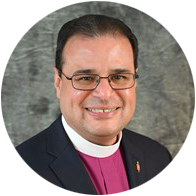
Bishop Héctor A. Burgos-Núñez serves as President of Discipleship Ministries & The Upper Room.
This reflection was adapted from the foreword to The Upper Room Disciplines 2027: Daily Devotions Based on the Revised Common Lectionary (Upper Room Books, 2026).

Journal Prompts
Where might God be inviting you to become more curious?
When have you discovered God somewhere you did not expect?
Where have comfort and familiarity limited your imagination?
How is curiosity connected to courage in your life?
Share your responses with others in the comments below!

Share on Socials